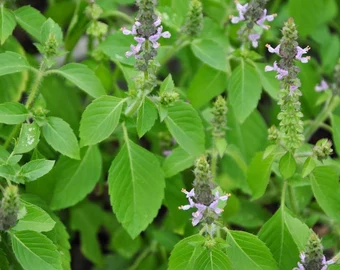
Holy Basil - Tulsi
Ocimum sanctum
$25.00
Out of stock
Tulsi, also known as Holy Basil or Ocimum sanctum, is a revered herb in Ayurvedic medicine for its numerous medicinal properties. Here are some of the key medicinal benefits of Tulsi:
Adaptogenic Properties: Tulsi is classified as an adaptogen, which means it helps the body adapt to stress and promotes overall balance and well-being. It enhances resilience to physical, emotional, and environmental stressors.
Immune Support: Tulsi has immunomodulatory properties that help boost the immune system and protect against infections and diseases. It enhances the activity of immune cells, making the body more resistant to pathogens.
Antioxidant Effects: Tulsi is rich in antioxidants, such as flavonoids and phenolic compounds, which help neutralize free radicals and reduce oxidative stress. This can lower the risk of chronic diseases and slow down the aging process.
Anti-inflammatory Properties: Tulsi has potent anti-inflammatory effects that can help reduce inflammation in the body. It is beneficial for conditions such as arthritis, asthma, and inflammatory bowel disease (IBD).
Respiratory Health: Tulsi is commonly used to treat respiratory conditions such as coughs, colds, and bronchitis. It acts as an expectorant, helping to clear mucus from the lungs and airways, making breathing easier.
Digestive Health: Tulsi aids digestion by stimulating the production of digestive enzymes and promoting overall digestive function. It can help relieve indigestion, bloating, and gas.
Cardiovascular Health: Tulsi can improve cardiovascular health by reducing cholesterol levels, regulating blood pressure, and improving blood circulation. It helps prevent atherosclerosis and reduces the risk of heart disease.
Anti-diabetic Effects: Tulsi may help regulate blood sugar levels and improve insulin sensitivity, making it beneficial for individuals with diabetes or those at risk of developing the condition.
Stress Reduction: Tulsi has calming and stress-relieving effects that can help reduce anxiety, improve mood, and promote relaxation. It can be used to manage stress-related disorders such as anxiety and depression.
Cognitive Enhancement: Tulsi is known to improve cognitive function, memory, and concentration. It helps sharpen mental alertness and focus, making it beneficial for students, professionals, and the elderly.
Antimicrobial Effects: Tulsi has antimicrobial properties that can help inhibit the growth of bacteria, viruses, and fungi. It can be used to prevent infections and promote wound healing.
Liver Health: Tulsi supports liver function and helps detoxify the body. It can protect the liver from damage caused by toxins, alcohol, and other harmful substances.
Skin Health: Tulsi has antibacterial and antifungal properties that make it beneficial for skin health. It can help treat acne, eczema, and other skin conditions.
Hormonal Balance: Tulsi may help regulate hormone levels in the body, particularly cortisol, the stress hormone. It can help balance the endocrine system and promote overall hormonal health.
Anti-cancer Potential: Some studies suggest that Tulsi may have anti-cancer properties. Its antioxidant and anti-inflammatory effects may help prevent the development of certain types of cancer and inhibit the growth of cancer cells.
Safe Dosage Guidelines (Adults)
· Tea: 1–3 cups daily (1–2 tsp dried leaf per cup) — safest form
· Tincture (1:5, 75% alcohol): 2–5 mL, 1–3 times daily
· Capsules/powder: 300–2,000 mg dried herb daily
· Culinary use (fresh leaves in food): unlimited, considered food
What “Tulsi” Really Means
Tulsi (also spelled Tulasi) is a Sanskrit word meaning “the incomparable one.”
It’s a sacred plant in Ayurveda and Hindu tradition — revered as a divine manifestation of purity and vitality.
So “Tulsi” is not a single species by itself — it’s a group of closely related basil plants that share:
· A similar aromatic, adaptogenic profile,
· Common spiritual and medicinal uses, and
· Belong to the Ocimum genus (the same genus as culinary basil).
Scientific Classification
Here’s how it breaks down botanically:
Common Name | Sanskrit/Regional Name | Latin Name | Notes |
Rama Tulsi | Shri Tulsi | Ocimum tenuiflorum (syn. Ocimum sanctum) | Green leaves, mild taste |
Krishna Tulsi | Shyama Tulsi | Ocimum tenuiflorum (purple variety) | Purple stems, spicy taste |
Vana Tulsi | Wild Tulsi | Ocimum gratissimum | A related species, more lemony scent |
Best Tulsi for Cognitive Function
🌿 1. Krishna Tulsi (Shyama Tulsi) — The Sharp Mind Type
→ Best of the three for brain, focus, and mental clarity.
· Ayurvedic energetics:
o Rasa (taste): Pungent, slightly bitter
o Virya (energy): Heating
o Vipaka (post-digestive): Sweet
o Increases mental alertness and clears sluggishness (“tamas”) from the mind.
· Traditional uses:
o Improves circulation to the brain
o Enhances concentration and recall
o Reduces brain fog
o Supports prana flow (mental vitality)
· Why it works: Higher levels of eugenol and other aromatic oils that stimulate cerebral blood flow and activate the nervous system gently.
· Taste: Spicy and aromatic — you can soften it with a touch of lemon balm or mint.
✅ Best choice if your goal is focus, attention, and memory retention.
2. Vana Tulsi — The Uplifting Clarifier
· Enhances oxygenation and circulation (especially when blended with rosemary or ginkgo).
· Slightly stimulating, good for “lifting mental clouds.”
· Milder than Krishna but still beneficial for cognition.
· Best as part of a blend rather than alone.
3. Rama Tulsi — The Calm Balancer
· More for relaxation, mood, and stress recovery than cognitive sharpening.
· Wonderful daily tonic but less specific for pure brain enhancement.
Especially Safe Groups
· Children (tea form, diluted): commonly given in India; Western herbalists usually start at ¼–½ adult dose
· Elderly: generally very well tolerated
Bottom line: Tulsi is remarkably safe for the vast majority of people when used sensibly (tea or normal tincture doses). The main groups who should exercise caution or avoid medicinal amounts are: pregnant women, people trying to conceive, those on blood thinners or diabetes medications, and anyone scheduled for surgery.
Tulsi is generally safe when consumed in moderate amounts as a culinary herb or tea. However, concentrated forms like supplements or essential oil should be used with caution, especially when pregnant, breastfeeding, or taking other medications. As with any herbal remedy, it's important to consult with a healthcare professional before using Tulsi medicinally.