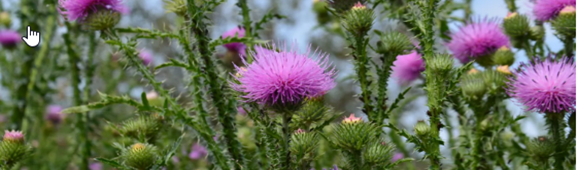
Milk Thistle
Silybum marianum
$24.99
Out of stock
Milk thistle (Silybum marianum) is a spiny Mediterranean herb that’s been used for centuries as a liver-supportive remedy. Its seeds contain a flavonoid complex called silymarin, which is considered the main active compound.
Traditional & Modern Uses
Liver Support: Commonly used for hepatitis, cirrhosis, fatty liver disease, and general liver detoxification.
Gallbladder Health: May improve bile flow.
Antioxidant Effects: Helps neutralize free radicals and reduce oxidative stress.
Skin Health: Sometimes used for acne, psoriasis, and wound healing.
Blood Sugar Support: Some research suggests it may help regulate glucose in type 2 diabetes.
Digestive Aid: Can stimulate digestion and support overall gastrointestinal health.
How Milk Thistle Assists the Liver
Cell Membrane Protection
Silymarin helps stabilize liver cell membranes, making it harder for toxins (alcohol, drugs, heavy metals, chemicals) to enter the cells.
This is why it’s often used in cases of toxin exposure (including mushroom poisoning with Amanita phalloides).
Antioxidant Effects
The liver is constantly exposed to oxidative stress during detoxification.
Silymarin is a strong antioxidant, scavenging free radicals and reducing inflammation inside the liver.
Stimulates Protein Synthesis & Regeneration
Encourages the production of ribosomal RNA, which helps damaged liver cells regenerate.
This may improve recovery in conditions like hepatitis or fatty liver disease.
Increases Glutathione Levels
Milk thistle boosts the liver’s production of glutathione, the body’s “master antioxidant,” which is critical for detox pathways.
Bile Flow Support
It stimulates bile production, aiding in fat digestion and helping the liver clear out waste products more efficiently.
Research Highlights
Some studies show milk thistle lowers liver enzymes (ALT, AST), markers of liver stress, especially in nonalcoholic fatty liver disease (NAFLD).
In short: milk thistle acts like a shield + repair kit for the liver — protecting cells from toxins, reducing inflammation, and helping them rebuild.
Common Preparations
Tincture: 2–5 mL, up to 3 times daily.
Capsules/Tablets: Standardized extracts (typically 70–80% silymarin).
Tea: Seeds lightly crushed and steeped, though silymarin is not very water-soluble, so tea is mild compared to tincture or extract.
Powder: Ground seeds added to smoothies or foods.
(Best absorbed when taken with food or fat-containing meals.)
Safety & Precautions
Generally safe, but may cause mild digestive upset (nausea, diarrhea).
Allergies: Avoid if allergic to ragweed, daisies, marigolds, or artichokes.
Medication Interactions: Can affect how the liver metabolizes certain drugs (like statins, blood thinners, or chemotherapy agents).
Not recommended while pregnant or breastfeeding without guidance.