Nettle - Stinging
Urtica dioica
$25.00
Out of stock
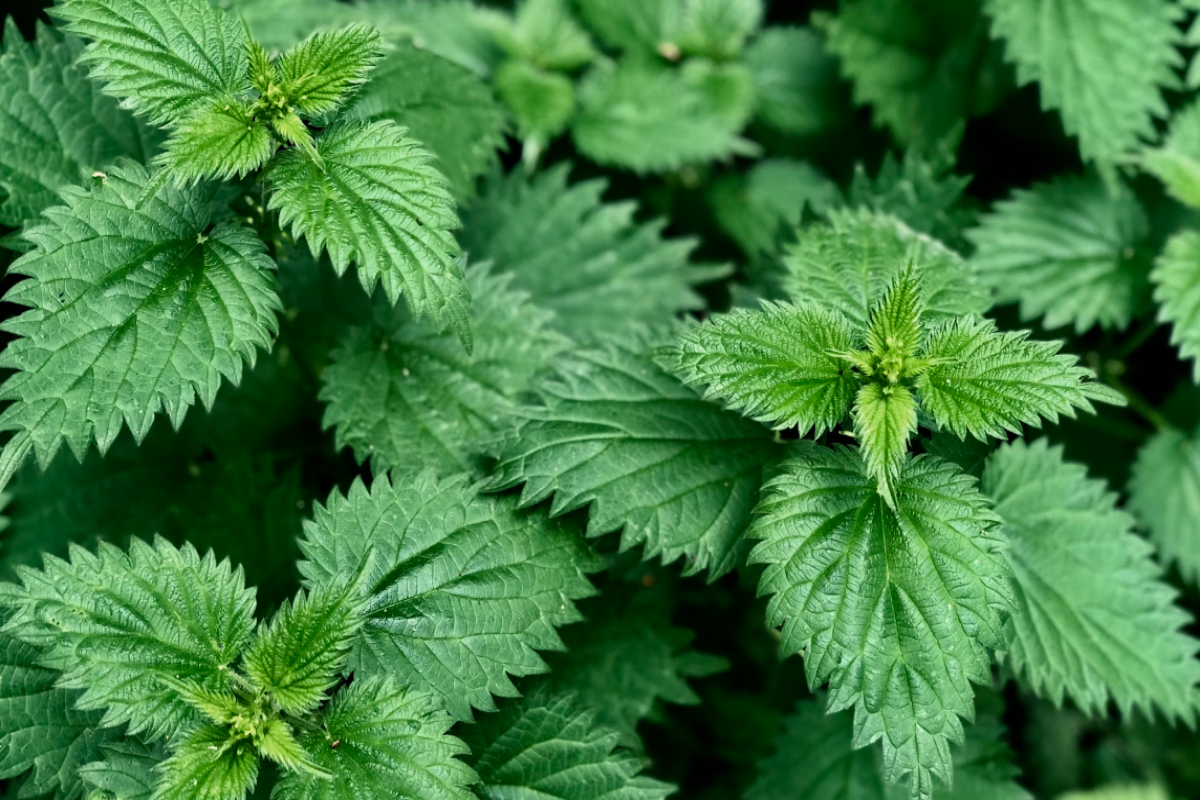
Nettle (Urtica dioica), commonly known as stinging nettle, is a perennial herb native to Europe, Asia, and North America. Nettle is a plant with a long history of use in traditional medicine. It’s known for the tiny, hairlike structures on its leaves and stems that release formic acid and histamine when touched — causing a temporary “sting.” Once dried or cooked, however, nettle loses its sting and becomes safe (and very nutritious). Nettle offers a variety of medicinal benefits due to its rich nutrient profile and bioactive compounds. Here are some of the key medicinal benefits of nettle:
· Anti-inflammatory: Nettle has powerful anti-inflammatory properties, making it effective for conditions like arthritis, joint pain, and other inflammatory disorders. It can be used both internally and topically to reduce inflammation and pain.
· Allergy Relief: Nettle is often used to treat allergies, such as hay fever. It can help reduce symptoms like sneezing, itching, and runny nose by acting as a natural antihistamine and reducing inflammation in the nasal passages.
· Nutrient-Rich: Nettle is packed with vitamins and minerals, including vitamins A, C, K, and several B vitamins, as well as iron, calcium, magnesium, and potassium. This makes it a great nutritional supplement to support overall health.
· Blood Sugar Regulation: Nettle may help regulate blood sugar levels, making it beneficial for individuals with diabetes or insulin resistance. Studies have shown that it can improve glucose metabolism and insulin sensitivity.
· Detoxification: Nettle acts as a natural diuretic, promoting the removal of toxins from the body through increased urine production. This can help detoxify the liver and kidneys and reduce fluid retention.
· Anemia Treatment: Due to its high iron content, nettle can help treat and prevent iron-deficiency anemia. It can boost hemoglobin levels and improve energy and vitality in individuals with low iron levels.
· Prostate Health: Nettle root extract is commonly used to treat benign prostatic hyperplasia (BPH), a condition characterized by an enlarged prostate. It can help reduce urinary symptoms and improve overall prostate health.
· Skin Health: Nettle can be used to treat various skin conditions, including eczema, acne, and psoriasis. Its anti-inflammatory and antimicrobial properties help soothe and heal the skin. Nettle tea or extracts can be applied topically or taken internally for skin benefits.
· Hair Health: Nettle is believed to promote hair growth and improve hair health. It can help reduce dandruff and scalp irritation. Nettle-infused hair products or rinses can strengthen hair and add shine.
· Respiratory Health: Nettle can help alleviate symptoms of respiratory conditions, such as asthma and bronchitis. Its anti-inflammatory properties help reduce inflammation in the airways, improving breathing.
· Immune Support: The vitamins and minerals in nettle can help boost the immune system, making the body more resistant to infections and diseases.
· Bone Health: Nettle is rich in calcium and magnesium, essential minerals for maintaining strong and healthy bones. Regular consumption can support bone density and reduce the risk of osteoporosis.
· Pain Relief: Nettle can help relieve muscle pain and cramps due to its anti-inflammatory and analgesic properties. It can be used topically as a compress or taken internally to reduce pain.
Parts Used
Leaves: Most used — rich in vitamins, minerals, and chlorophyll. Spring tonic, allergies (hay fever), arthritis, anemia, nourishment
Root: Used for urinary and prostate support. Benign prostatic hyperplasia (BPH), urinary tract health
Seeds: Used for kidney and adrenal support. Adrenal and kidney tonic, fatigue, chronic kidney issues
Common Preparations
Tea infusion: 1-2 Tsp dried leaf per cup of water, steep 10-15 minutes. Sweeten with honey.
Tincture (leaf): 1:5 50A:50W used orally or in water, juice or tea. 2-4ml (1-2 droppers) per dose up to 3 times a day.
Culinary: Cooked like spinach; excellent in soups or pesto.
Capsules / Powder: For nutritional supplementation
Safety and Precautions
Generally considered very safe for most people.
Fresh plant can cause skin irritation (the sting).
Mild diuretic effect — may interact with certain medications (e.g., lithium, diuretics, or blood thinners).
Root extracts can occasionally cause mild gastrointestinal upset.
Internal Use — Leaf (Tea, Tincture, Capsules)
Generally safe, but:
· Mild side effects (rare): Stomach upset, fluid retention, or mild diarrhea.
· Allergic reactions: Uncommon but possible (especially in people allergic to plants in the Urticaceae family).
· Pregnancy: Traditionally considered a nutritive tonic; however, large or concentrated doses are not well-studied. Use cautiously and under professional guidance.
· Lactation: Likely safe in food-like amounts; sometimes used to support milk production.
Drug Interactions:
· Diuretics: Nettle leaf has mild diuretic effects → may enhance fluid loss.
· Blood pressure medication: Could theoretically increase the effect of antihypertensives.
· Lithium: Increased diuresis might reduce lithium clearance — monitor closely.
· Anticoagulants (Warfarin): Nettle leaf is rich in vitamin K → could slightly interfere with anticoagulant therapy (mostly theoretical at typical doses).
Root Preparations
Used mainly for benign prostatic hyperplasia (BPH).
Possible effects:
· Mild gastrointestinal upset or nausea.
· May affect sex hormones or interact with drugs for prostate or hormone-related conditions.
· Not recommended in pregnancy or breastfeeding due to hormonal influence.
Seed Preparations
· Often used as a kidney/adrenal tonic in small doses.
· High doses can be stimulating — use cautiously and under practitioner supervision.
Growing and Habitat of Stinging Nettle
1. Wild Habitat
· Native range: Europe, Asia, and North America (now naturalized almost worldwide).
· Common habitats:
o Moist, nitrogen-rich soils — along riverbanks, ditches, forest edges, and meadows.
o Often found near old farmsteads, compost piles, or livestock areas, since it thrives in nutrient-rich soil.
· Growth pattern:
o Perennial herb that spreads through rhizomes (underground stems) — it can form large colonies.
👉 In many temperate regions, you’ll find nettle growing wild from early spring through late summer.
Harvesting
· Leaves: Best harvested in spring (before flowering). Dry quickly in shade for tea or tincture use.
· Roots: Dug in autumn after the aerial parts die back.
· Seeds: Collected in late summer when they turn brownish and dry.