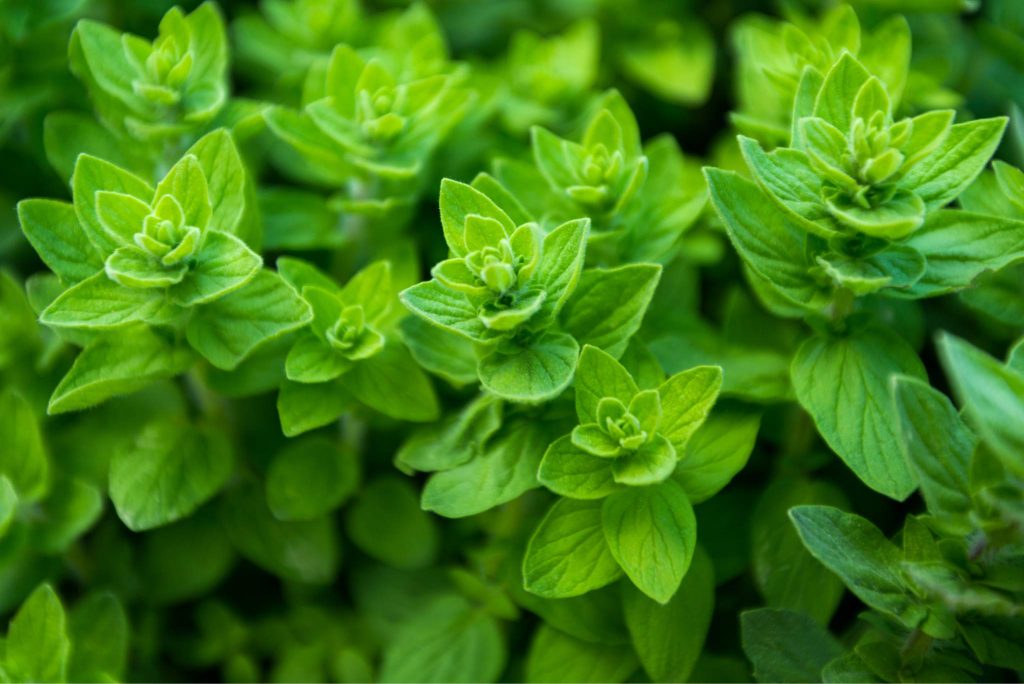
Oregano
Origanum vulgare
$24.99
Out of stock
Oregano (Origanum vulgare) is a powerful and versatile medicinal herb that has been used for centuries in traditional medicine — especially in Mediterranean and Middle Eastern herbalism. While it’s most famous as a culinary spice, its health benefits are significant thanks to its rich concentration of essential oils, antioxidants, and phenolic compounds. Here are some of the key medicinal properties of oregano:
1. Antimicrobial: Oregano is known for its potent antimicrobial properties. It contains compounds like carvacrol and thymol, which are effective against bacteria, viruses, and fungi. This makes oregano useful in treating infections and as a natural preservative.
2. Anti-inflammatory: The phenolic compounds in Oregano has strong anti-inflammatory effects, which can help reduce inflammation in the body. This can be beneficial for conditions such as arthritis, asthma, and other inflammatory disorders.
3. Antioxidant: Rich in rosmarinic acid, carvacrol, and thymol, which helps protect the body from oxidative stress and free radical damage. This can contribute to a lower risk of chronic diseases and slow down the aging process.
4. Digestive Health: Oregano can aid digestion by stimulating bile flow and promoting the overall health of the digestive tract. It acts as a carminative, helping to alleviate symptoms of indigestion, bloating, and gas. It is mildly antispasmodic, soothing intestinal cramps.
5. Immune Support: The antimicrobial and antioxidant properties of oregano support the immune system, helping the body fight off infections and maintain overall health.
6. Respiratory Health: Oregano can help relieve symptoms of respiratory conditions such as coughs, colds, and bronchitis. It acts as an expectorant, helping to clear mucus from the lungs and airways.
7. Anti-cancer Properties: Some studies suggest that compounds in oregano, such as carvacrol, may have anti-cancer properties. These compounds can help inhibit the growth of cancer cells and induce apoptosis (programmed cell death).
8. Pain Relief: Oregano oil can be used topically to relieve pain and reduce inflammation in conditions like sore muscles, joint pain, and headaches.
9. Anti-parasitic: Oregano has been traditionally used to treat parasitic infections, including those caused by intestinal worms and protozoa. Its strong antimicrobial properties make it effective against various parasites.
10. Skin Health: Oregano oil can be applied topically to treat skin conditions such as acne, psoriasis, and fungal infections like athlete's foot. Its antimicrobial and anti-inflammatory properties help soothe and heal the skin.
11. Heart Health: The antioxidants in oregano can help reduce cholesterol levels and prevent the oxidation of LDL cholesterol, which is a risk factor for atherosclerosis and heart disease.
12. Blood Sugar Regulation: Oregano may help regulate blood sugar levels, making it beneficial for individuals with diabetes or those at risk of developing the condition.
13. Weight Management: Oregano can aid in weight management by boosting metabolism and supporting digestion. Its carvacrol content has been shown to help reduce fat accumulation.
14. Menstrual Health: Oregano has been traditionally used to relieve menstrual cramps and other symptoms associated with menstruation due to its antispasmodic properties.
It's important to use oregano, especially oregano oil, with caution, as it is very potent. Overconsumption can lead to side effects, and topical application can cause skin irritation in some individuals. Always dilute oregano oil before applying it to the skin and consult with a healthcare provider before using oregano medicinally, especially if you are pregnant, breastfeeding, or taking other medications.
Common Preparations
· Tea (infusion):
Steep 1–2 tsp dried oregano leaves per cup of boiling water for 10–15 minutes.
Used for colds, sore throat, indigestion, or as an immune tonic.
· Tincture:
1:5 ratio (herb: alcohol), typically in 40–50% alcohol.
Dosage: 1–2 mL up to 3 times daily.
· Essential Oil (for external use):
Must be diluted — 1–2 drops per tablespoon of carrier oil (like olive or coconut oil).
Applied to fungal infections, insect bites, or chest rubs for congestion.
· Capsules:
Standardized oregano oil capsules are available for internal use; often used for gut infections or immune support.
Follow manufacturer’s dosage; too much can irritate mucous membranes.
Safety & Precautions
Potency: Oregano oil is very strong — always dilute before topical use and avoid high internal doses unless guided by a practitioner.
Pregnancy: Avoid medicinal doses during pregnancy (can stimulate uterine contractions).
Allergies: Those allergic to other Lamiaceae family herbs (like mint, basil, sage, or thyme) may also react to oregano.
Interactions: High doses could interfere with iron absorption or affect gut flora if taken long-term.
Growing Oregano
· Perennial in the Pacific Northwest if protected from hard frost.
· Prefers well-drained soil, full sun, and dry conditions once established.
· Deer-resistant, aromatic, and attracts pollinators — perfect for an herb garden.